6 min read
Seed oils explained: a Malaysian's plain-English guide
By Mikael Chew · Omega-3 educator
Published 24 Apr 2026
Industrial seed oils — soy, corn, sunflower, canola — are 60–80% omega-6 by composition and are often partially oxidised before they reach the bottle. Whether they are actively harmful in moderation is still genuinely debated; what is not debated is that they have pushed modern diets toward a high omega-6 ratio. You do not need to pick a side to make the practical call: cook at home with olive, avocado, or coconut oil, and limit fried food whatever it is fried in.
The most controversial topic in nutrition right now. People shouting on both sides. Here's what's actually known, calmly.
What seed oils are
Industrial extraction of oil from seeds — soy, sunflower, corn, safflower, grapeseed, canola, cottonseed. The process: high-heat pressing or solvent extraction (often hexane), then refining, bleaching, and deodorising. The resulting oil is very high in omega-6 and often partially oxidised before it even hits the bottle.
The "seed oils are bad" camp says
- Industrial processing oxidises the oil before you buy it
- Reheating in restaurants oxidises it further
- Oxidised polyunsaturated fats damage cell membranes
- Population-wide omega-6 increase correlates with metabolic problems
The mainstream view says
- Seed oils are not toxic in moderation
- The bigger issue is calorie surplus and processed food in general
- Cold-pressed versions (rare) are different from refined
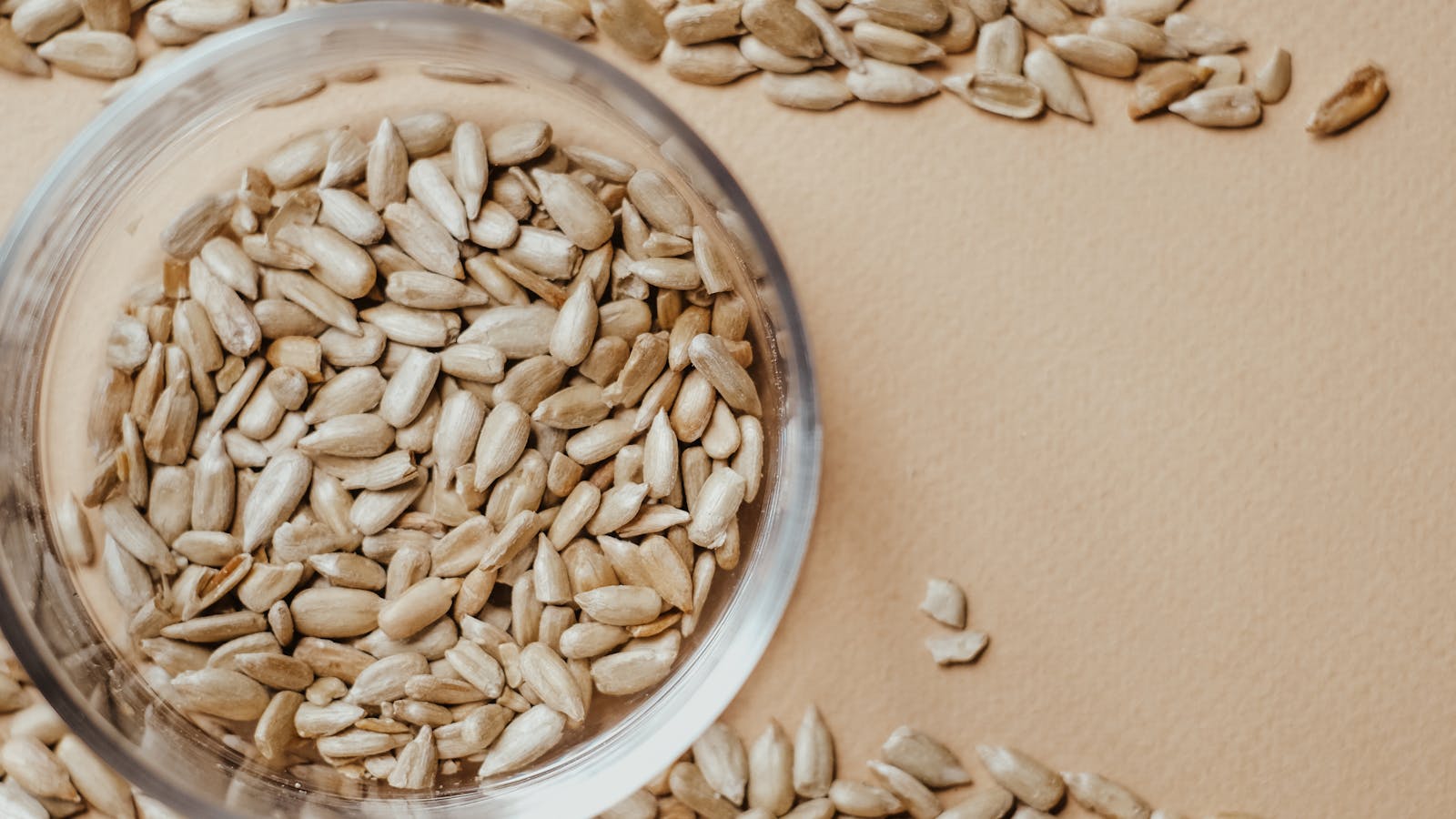
- Whole seeds (sunflower, etc.) are different from extracted oil
What's known with high confidence (no debate)
- Industrial seed oils are 60–80% omega-6 by composition
- Frequent reheating causes oxidation
- Most modern populations have seen ratios shift dramatically over 50 years
- The mechanism between high omega-6 intake and cellular outcomes is genuinely still debated
The pragmatic position
You don't have to declare a side to make the practical choice:
- Use olive, avocado, or coconut for home cooking
- Limit fried food regardless of which oil it's cooked in
- Don't lose sleep about a salad dressing once a week
- The cumulative dose is what matters — daily exposure adds up
You don't have to pick a tribe in this debate to make the practical choice. Less is less.
Sources
- U.S. Department of Agriculture (2024). FoodData Central — fatty acid composition of edible oils. USDA Agricultural Research Service.
- Simopoulos AP (2002). The importance of the ratio of omega-6/omega-3 essential fatty acids. Biomedicine & Pharmacotherapy.
Educational summary of published research. Always consult a healthcare professional for personal advice.
Written by Mikael Chew, who has spent 23 years in health and wellness. Educational content — observations, not medical advice.
Keep reading

Curious where your own habits land?
Take the 2-minute assessment