4 min read
Every cooking oil in your kitchen, ranked by omega ratio
By Mikael Chew · Omega-3 educator
Published 24 Apr 2026
Ranked by omega-6:3 ratio, extra-virgin olive and avocado oil sit near the top (~13:1), while sunflower (~71:1), safflower (~78:1), and grapeseed (~700:1) are the omega-6 multipliers to limit. The practical rule: olive or avocado for cold and medium-heat use, a stable oil for the occasional high-heat fry — and frying less often matters more than which oil you fry in. Most of your exposure is not your home bottle anyway; it is the seed oil that restaurants and packaged foods are cooked in.
A short post. No long preamble.
Below: every common Malaysian cooking oil, ranked by their omega-6 to omega-3 ratio. Lower number = closer to the ratio your body wants. Higher number = the kitchen is helping push your body toward imbalance.
The leaderboard
| # | Oil | Approx omega-6:3 ratio |
|---|---|---|
| 1 | Extra virgin olive oil | ~13 : 1 |
| 2 | Avocado oil | ~13 : 1 |
| 3 | Flaxseed oil | 1 : 4 (omega-3 dominant on paper — see note) |
| 4 | Coconut oil | Negligible omega — mostly saturated |
| 5 | Butter / ghee | ~9 : 1 (varies with cow diet) |
| 6 | Peanut oil | ~32 : 1 |
| 7 | Palm oil (refined) | ~46 : 1 |
| 8 | Corn oil | ~46 : 1 |
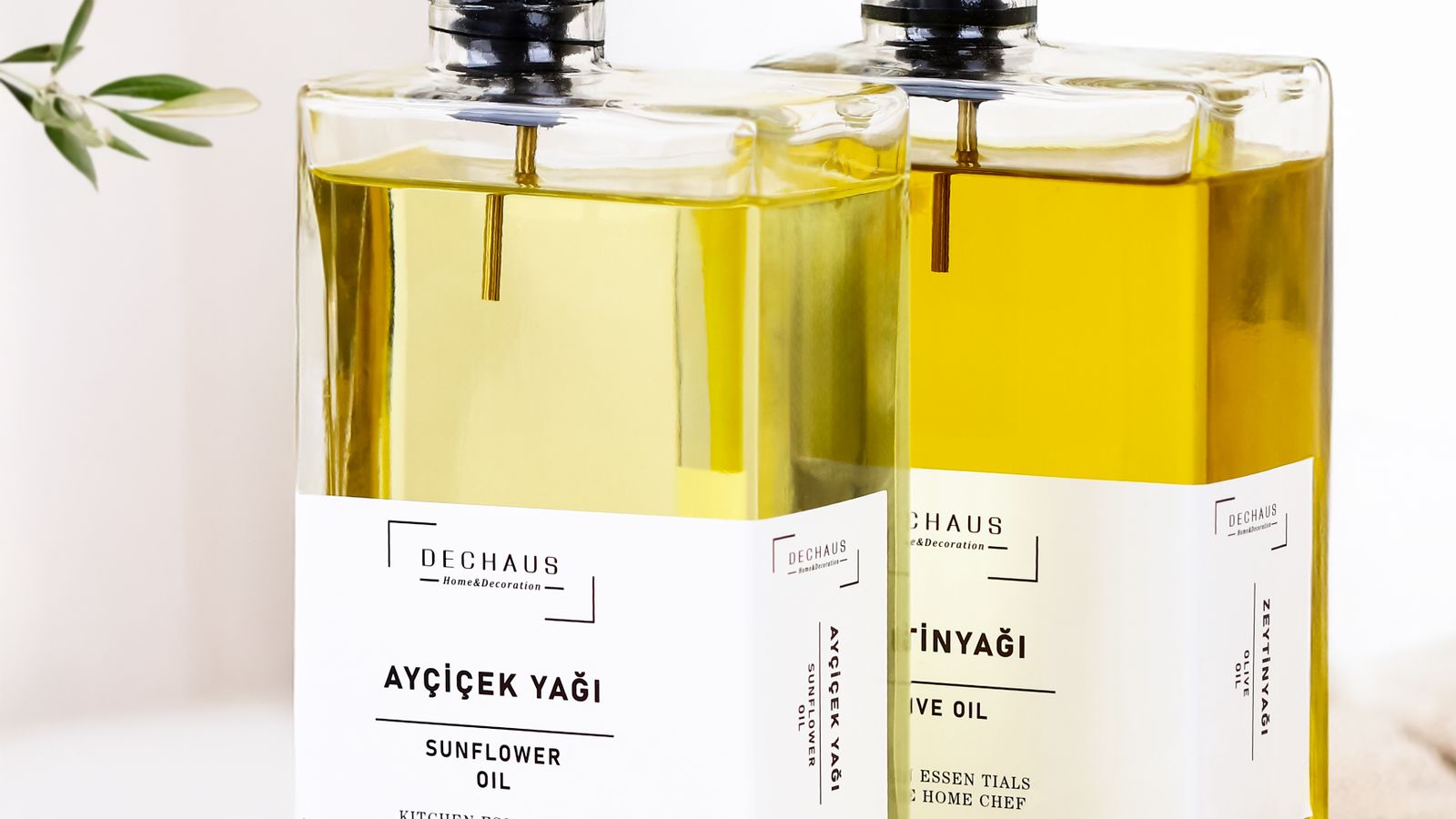
| 9 | Sunflower oil | ~71 : 1 |
| 10 | Safflower oil | ~78 : 1 |
| 11 | Grapeseed oil | ~700 : 1 (yes, really) |
To scale up to 80 : 1. Grapeseed (~700 : 1) runs off the chart.
Note: ratios are approximate. They vary by brand, refining method, and source.
One note on flaxseed oil
Flaxseed looks like the winner on the table — and it's a good ingredient — but the omega-3 in flax (and in chia, walnuts) is plant ALA, not the active EPA/DHA your cells actually use. The body converts only ~5–10% of plant ALA into EPA, much less into DHA. So flax is a useful supporting habit, not a substitute for marine omega-3 from oily fish or a quality marine omega-3 supplement.
What this means in practice
I don't think you should swap every bottle in your kitchen tomorrow. That's not realistic. Here's a more useful frame:
- For cold use (salads, drizzles): extra virgin olive oil. Period.
- For medium-heat cooking: olive or avocado oil.
- For high heat: if you must, coconut or refined palm. Honestly, deep frying less often is the bigger win than swapping the oil.
- The oils to be most cautious about: sunflower, safflower, grapeseed, corn. These are the omega-6 multipliers. Often hidden in salad dressings, fried snacks, and "healthy" packaged foods.
One trap to know about
Restaurants and food courts almost universally cook with the cheapest available oil — which means soy, palm, or "vegetable oil" blends. Your home kitchen is one variable; the food you eat outside the home is the other 70%.
That's why this isn't really a "buy a better oil" problem. It's a "where am I eating, and what's it cooked in?" problem.
For one week: write down every meal where the oil source was visible to you. Count how often it was omega-6 heavy vs olive/avocado/coconut. Most people are shocked. Try it.
Sources
- U.S. Department of Agriculture (2024). FoodData Central — fatty acid composition of edible oils. USDA Agricultural Research Service.
Educational summary of published research. Always consult a healthcare professional for personal advice.
Written by Mikael Chew, who has spent 23 years in health and wellness. Educational content — observations, not medical advice.
Keep reading
Curious where your own habits land?
Take the 2-minute assessment