
4 min read
What is the omega ratio, and why does it actually matter?
By Mikael Chew · Omega-3 educator
Published 24 Apr 2026
The omega ratio is the balance of omega-6 to omega-3 fats in your diet — both are essential, but it is the proportion between them that your cells respond to, not the totals. For most of human history it sat near 1:1 to 4:1; modern diets push it to 15:1–20:1. In Malaysia, seed-oil cooking, fried-food culture, and low oily-fish intake make it one of the few health markers that is genuinely measurable, modifiable, and trackable.
Most people think of omega-3 as something you either get or you don't. Take a fish oil pill. Eat more salmon. Done.
That's not how it works.
Omega-3 and omega-6 are both essential fatty acids. Your body needs both. The question is the ratio between them.
For most of human history, that ratio sat somewhere between 1:1 and 4:1 (omega-6 to omega-3). Today, the average modern diet pushes it to 15:1, 20:1, sometimes higher.
Ancestral — 3 : 1
Modern average — 20 : 1
Your cells don't care about totals. They care about which fat is available when they need to do something.
A simple way to think about it
Imagine your body is a kitchen with two ingredients: chili and sugar. Both have a place. But if every dish you cook has 25 spoons of chili to 1 spoon of sugar, every meal tastes like fire.
That's what's happening at the cellular level when omega-6 dominates. The body uses what's available. When the ratio is skewed, the cellular response is skewed too.
Why this is a Malaysian problem in particular
Three reasons:
- Cooking oils. Palm, soy, sunflower, corn, peanut — all heavy in omega-6. Most Malaysian kitchens use them daily. Most restaurants use them by the litre.
- Fried food culture. From mamak to pasar malam, frying is the default cooking method. Frying multiplies omega-6 exposure.
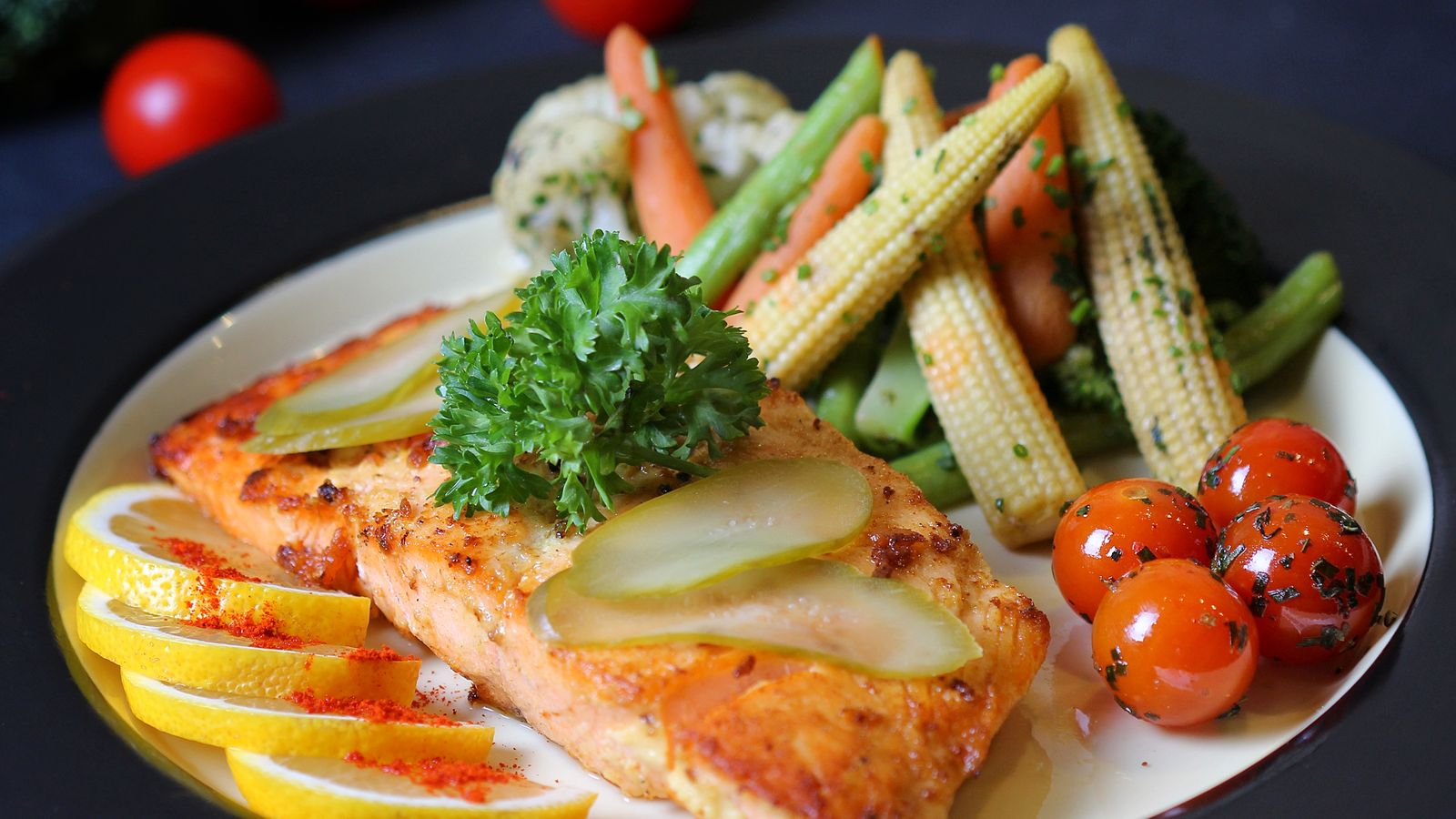
- Low oily fish intake. We have great access to fish, but the dishes we eat most often (snapper, sea bass, tilapia) are lean fish — low in omega-3 compared to cold-water fish like sardines, mackerel, and salmon.
You can do everything else right and still have a 20:1 ratio.
What changes when the ratio moves
I'm not going to tell you it fixes anything specific. It doesn't. The ratio is one variable in a system with hundreds.
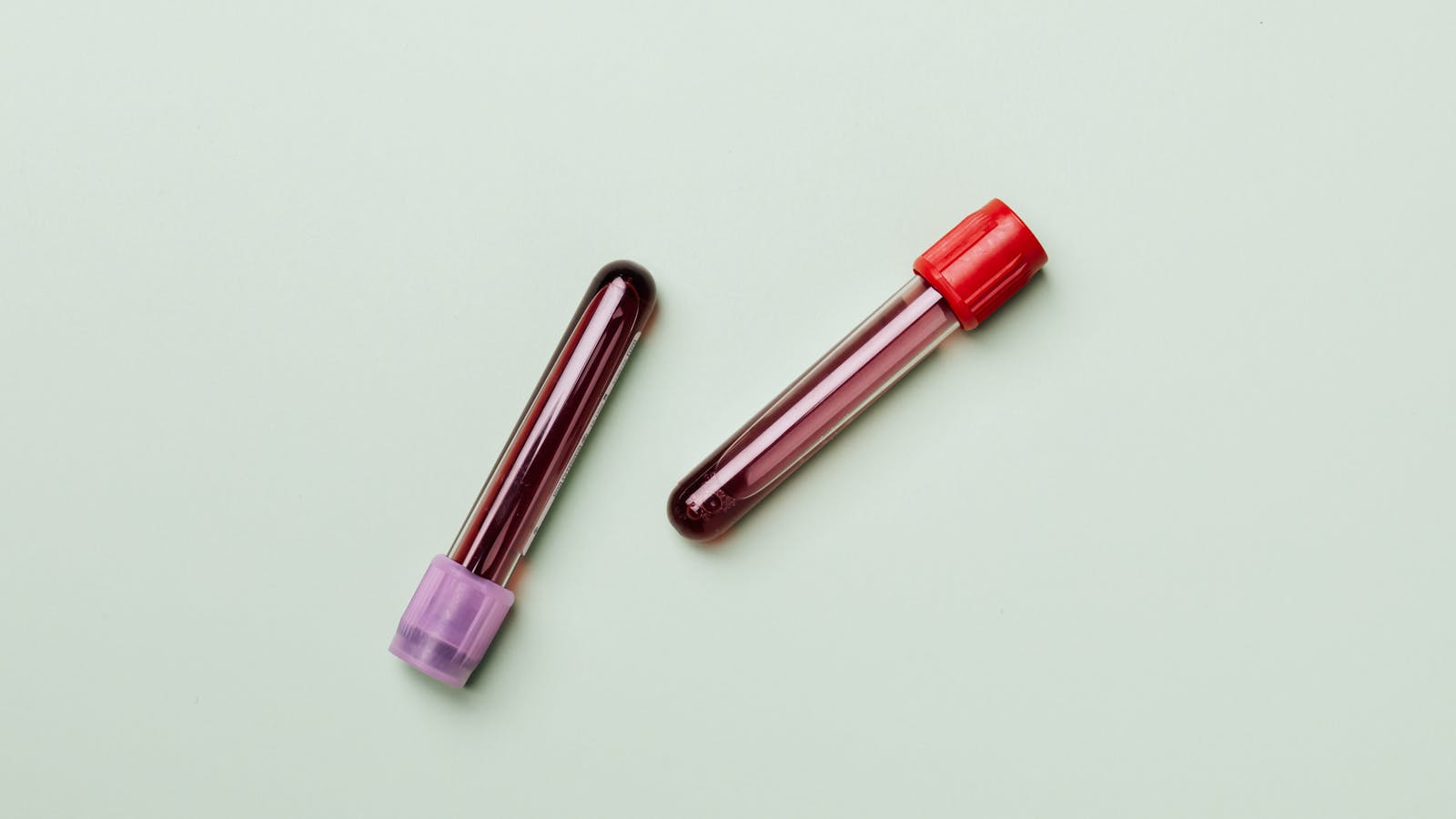
But it's one of the few variables that's truly measurable, modifiable, and trackable. You can know your number. You can change your number. You can confirm it changed.
That's rare in health. Most things are either too noisy to measure or too slow to shift. Omega ratio is neither.
You probably know your weight. You might know your blood pressure. Many of you can recite your cholesterol reading. When did you last know — actually know — your omega-6:3 ratio?
“The Omega-3 Index may represent a novel, physiologically relevant, easily modified, independent, and graded risk factor for death from CHD that could have significant clinical utility.”
Sources
- Simopoulos AP (2002). The importance of the ratio of omega-6/omega-3 essential fatty acids. Biomedicine & Pharmacotherapy.
- Harris WS, von Schacky C (2004). The Omega-3 Index: a new risk factor for death from coronary heart disease?. Preventive Medicine.
Educational summary of published research. Always consult a healthcare professional for personal advice.
Written by Mikael Chew, who has spent 23 years in health and wellness. Educational content — observations, not medical advice.
Keep reading

Curious where your own habits land?
Take the 2-minute assessment