
5 min read
How Asian diets shifted from omega-balanced to omega-6 heavy
By Mikael Chew · Omega-3 educator
Published 24 Apr 2026
Two generations ago a typical Malaysian diet ran near a 5:1 omega ratio without trying. Three independent shifts changed that: cheap industrial seed oils replaced lard and coconut from the 1970s, eating-out and packaged food grew to 50–70% of meals, and farmed grain-fed fish replaced the wild small fish that once supplied omega-3. No single villain — three structural changes that together pushed the ratio toward 15:1–20:1, which is why the biggest lever is cutting seed-oil exposure, not adding one fish meal.
Two generations ago, this wasn't a problem.
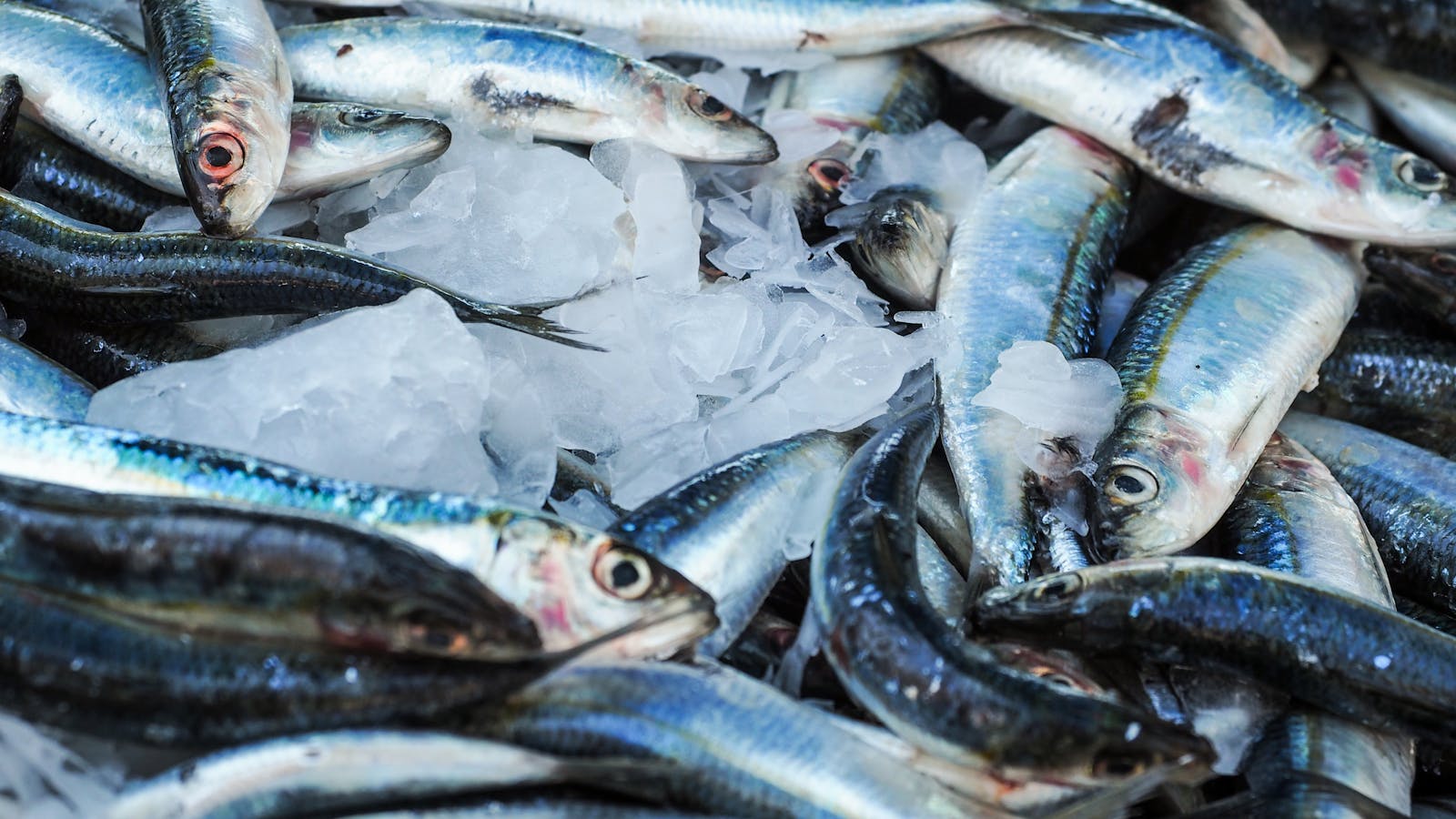
My grandmother cooked with lard. Or coconut oil. Sometimes peanut oil. The fish on her table was small and wild — ikan bilis, kembung, sardines. Vegetables came from a market that opened at dawn.
Her omega-6:3 ratio was probably around 5:1. Maybe lower. Without trying.
Mine, before I changed things, was much higher.
1970s–90s
Industrial seed oils become cheap
1990s–2010s
Mamak, fast food, instant noodles scale
2000s+
Aquaculture replaces wild fish
Today
Average ratio 15–20 : 1
What changed
Three forces, in roughly this order:
1. Industrial seed oils became cheap (1970s–1990s)
Refining technology made it possible to extract oil from soybeans, sunflowers, corn, and palm at industrial scale. Suddenly the cheapest cooking fat per kilogram wasn't lard or coconut — it was vegetable oil. Restaurants switched. Packaged foods switched. School canteens switched.
Nobody chose this on health grounds. It was a price decision.
2. Fast and convenience food scaled (1990s–2010s)
Mamak, fast food chains, instant noodles, kerepek, biscuits, frozen snacks — all built around the cheap oil supply. A typical urban Malaysian today eats outside the home or from packaged sources for 50–70% of meals. Almost all of those calories are cooked in or contain seed oils.
Your home kitchen choices matter less than they used to.
3. The fish on our plates changed (2000s onward)
Aquaculture exploded. Farmed fish dominates supermarkets now. The problem: farmed fish are usually fed grain-based feed (corn, soy) instead of the algae and small fish their wild counterparts eat. A farmed salmon today has meaningfully less omega-3 than a wild one.
Meanwhile, wild small fish (ikan bilis, kembung, selar) — which are still excellent omega-3 sources — quietly fell out of fashion as "low status" food.
The triple shift
So in two generations:
- Cooking oil pivoted from balanced to omega-6 dominant
- Eating-out culture exploded, multiplying that exposure
- The fish we got the most omega-3 from got either farmed or fell out of favour
No single villain. No conspiracy. Just three independent shifts that together moved the needle.
Why this matters for the way forward
If the problem is structural and cultural, the solution can't be "eat one extra serving of fish per week." That's marginal change against a tide.
The realistic levers, in order of impact:
- Cut frequency of food cooked in seed oil (eat in more, choose restaurants more carefully)
- Add concentrated omega-3 (oily fish 2–3× a week, or a quality supplement)
- Track your number so you know if your changes are actually moving anything
Notice: option 1 is by far the most impactful, and it's the one nobody wants to do. Option 2 alone won't undo it.
If your grandmother had to taste your kitchen and read the labels of what's in your fridge — would she recognize the food? Mine wouldn't. That's part of why I started taking this seriously.
Sources
- Simopoulos AP (2002). The importance of the ratio of omega-6/omega-3 essential fatty acids. Biomedicine & Pharmacotherapy.
- U.S. Department of Agriculture (2024). FoodData Central — fatty acid composition of edible oils. USDA Agricultural Research Service.
Educational summary of published research. Always consult a healthcare professional for personal advice.
Written by Mikael Chew, who has spent 23 years in health and wellness. Educational content — observations, not medical advice.
Keep reading

Curious where your own habits land?
Take the 2-minute assessment