4 min read
Wild fish vs farmed fish: the omega story
By Mikael Chew · Omega-3 educator
Published 24 Apr 2026
Wild salmon carries roughly 2.5–3 g of omega-3 per 100 g; farmed salmon carries about half that — and three to five times the omega-6 — because it is raised on corn and soy feed. Same colour, same price, different fish. In Malaysia the most reliable omega-3 is not premium salmon at all, but small wild fish like ikan kembung, ikan bilis, and sardines.
A salmon is not a salmon.
What it ate before it landed on your plate matters more than the species name.
The wild salmon
Wild salmon eats algae, krill, and smaller fish. All naturally rich in omega-3. The result: about 2.5–3 g of omega-3 per 100 g of fish. The omega-6 content stays low because the wild diet is low in omega-6.
The farmed salmon
Farmed salmon eats grain-based feed — usually corn, soy, and rendered fish oil. The omega-3 content drops to about 1.0–1.5 g per 100 g. The omega-6 content goes up because of the corn and soy feed.
Net effect: a farmed salmon meal delivers roughly half the omega-3 and three to five times the omega-6 of a wild one. Same colour. Same price. Different fish.
| Per 100 g | Wild salmon | Farmed salmon |
|---|---|---|
| Omega-3 | ~2.5–3 g | ~1.0–1.5 g |
| Omega-6 | low | 3–5× higher |
| Feed | algae, krill, small fish | corn, soy, fish oil |
This pattern repeats across species
- Farmed tilapia — possibly the worst common offender. Very high omega-6, very low omega-3
- Farmed sea bass / barramundi — significantly worse than wild equivalents
- Farmed prawns — mixed; depends on the farm's feed
What to favour in Malaysia
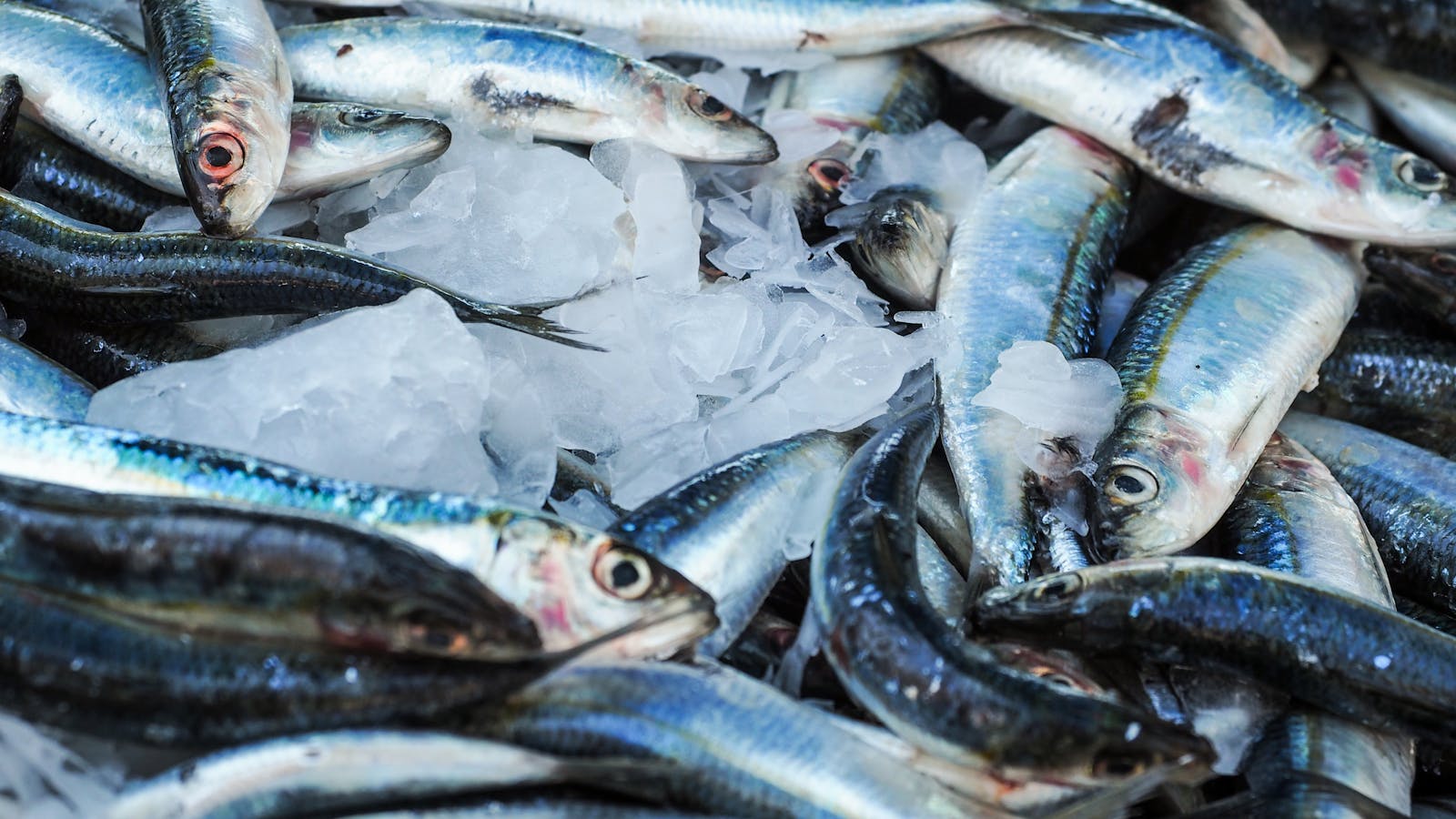
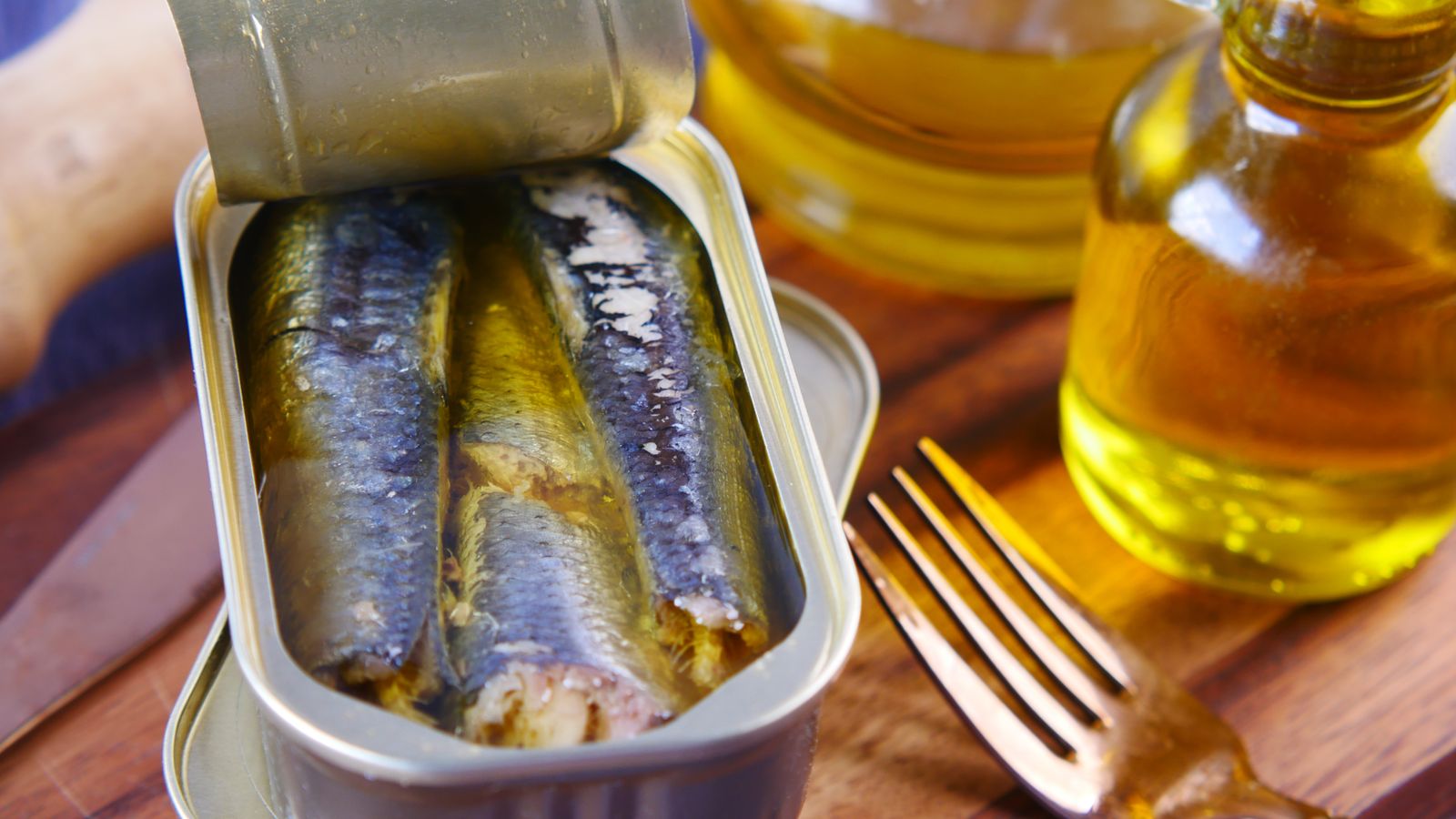
- Wild small fish — ikan kembung, ikan bilis, sardines (canned in olive oil or water, NOT in soybean oil)
- Wild deep-sea fish when you can find them — tenggiri, kerisi, wild siakap
- Frozen wild salmon — often cheaper than fresh and just as nutritious
- Mackerel (saba) at Japanese restaurants — usually wild, very high omega-3
The trap to know
"Salmon" on a Malaysian menu is almost always farmed (usually from Norway or Chile). It's not bad fish — it's just not the omega-rich fish you might think it is.
If you're paying premium prices for premium-looking fish, it's worth knowing what you actually got.
Written by Mikael Chew, who has spent 23 years in health and wellness. Educational content — observations, not medical advice.
Keep reading

Curious where your own habits land?
Take the 2-minute assessment