5 min read
One week of small omega swaps: what changes, what doesn't
By Mikael Chew · Omega-3 educator
Published 24 Apr 2026
In seven days of swapping oils, eating oily fish, and cooking at home, your blood ratio barely moves — cellular omega-3 takes 8–12 weeks to shift — but your habit awareness changes immediately. That is the point: a week is for building habits, not measuring results. Track how many meals you cooked at home and how many oily-fish servings you got; the ratio takes care of itself over the following months, with the real re-test at 90–120 days.
Theory is fine. Here's what 7 days of practical changes actually does — and what it doesn't.
The week's plan
- Day 1: Replace your home cooking oil with extra virgin olive oil
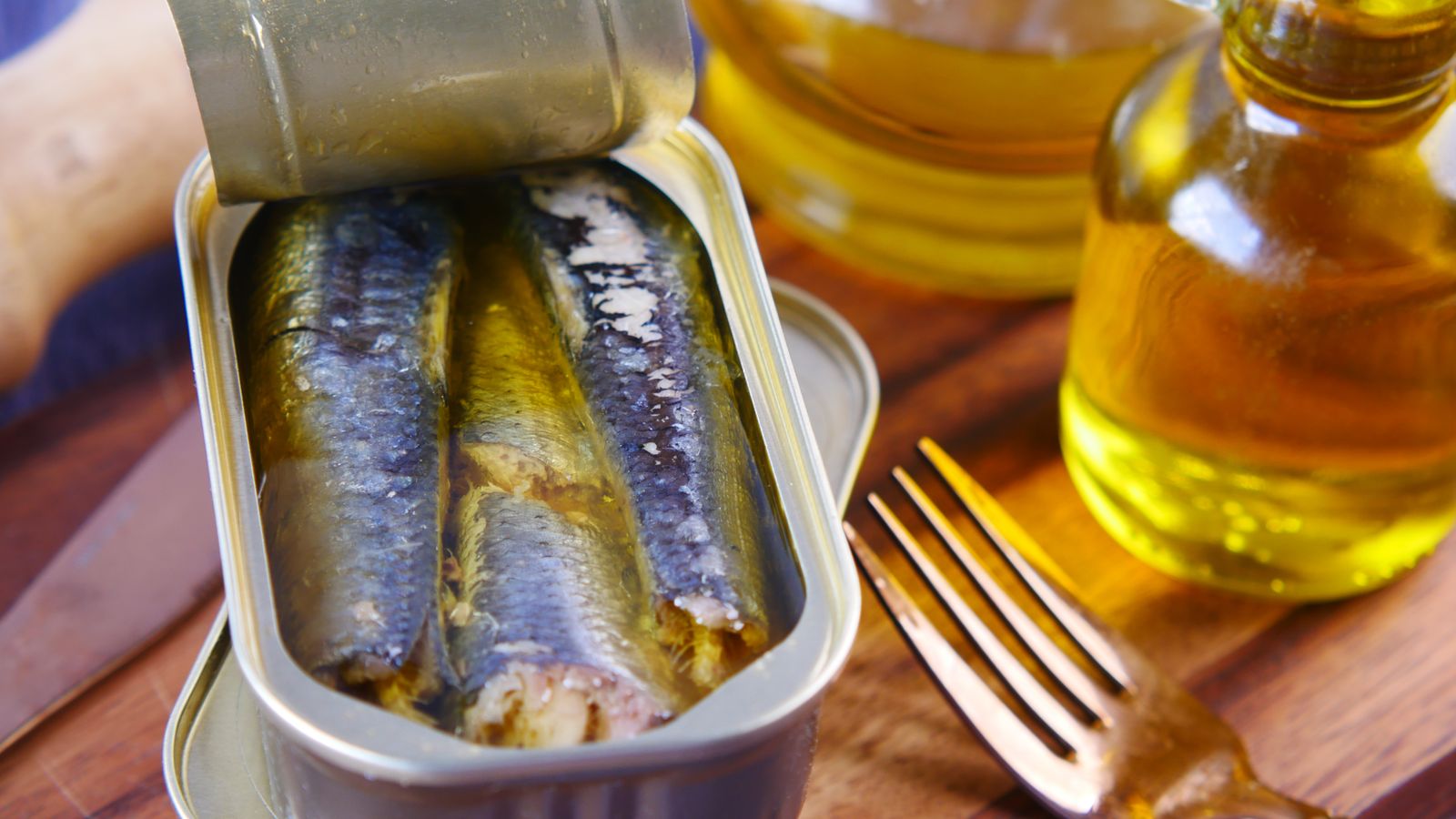
- Day 2: Eat one wild oily fish meal (mackerel, sardines, ikan kembung)
- Day 3: Skip fried snacks. Eat a handful of walnuts or yogurt instead
- Day 4: Cook breakfast at home (avoid mamak/fast food breakfast)
- Day 5: Add a flax-or-chia smoothie
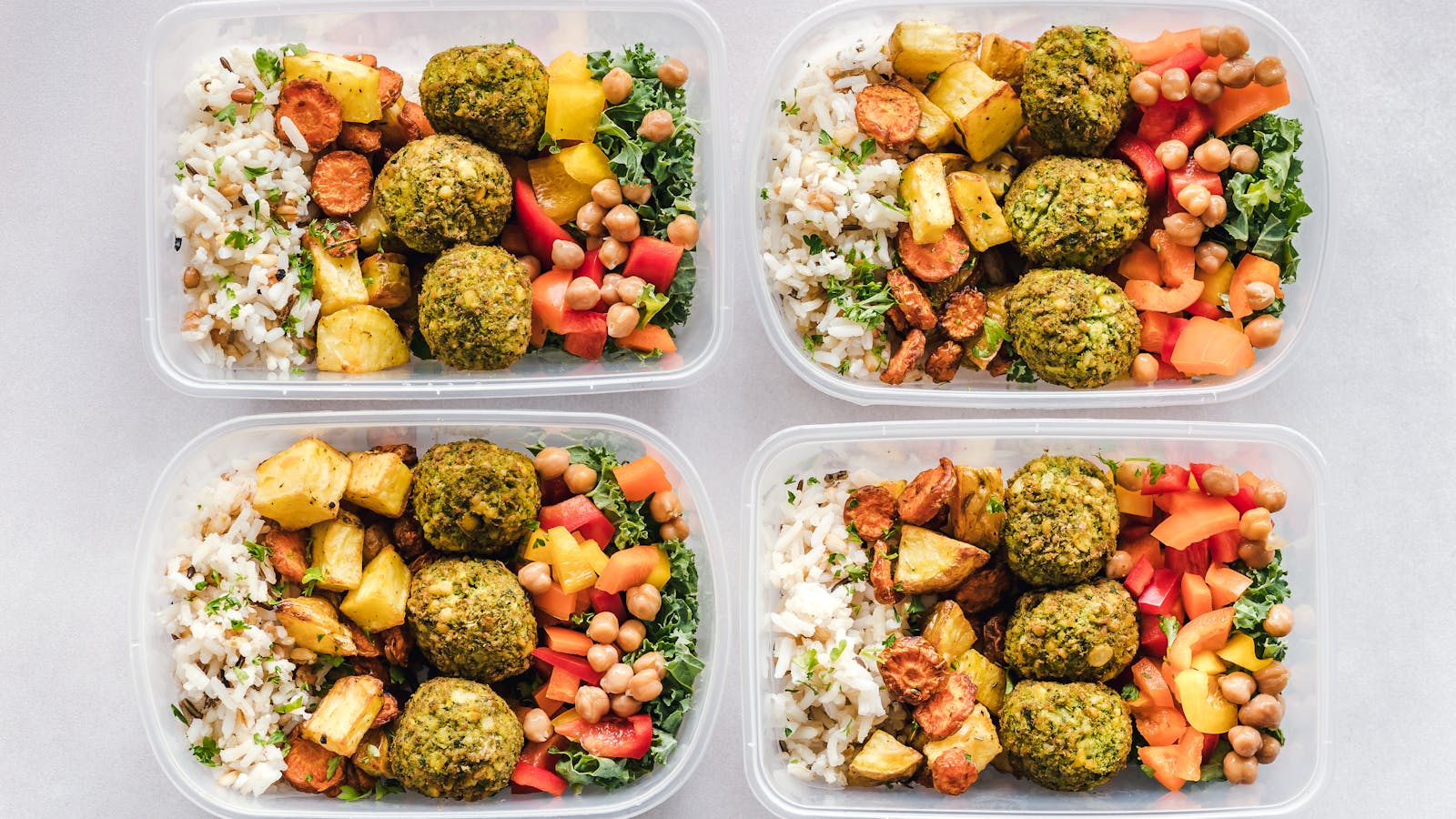
- Day 6: Eat at home for both lunch and dinner
- Day 7: Repeat your favourite three changes
What actually changes after 7 days
- Your blood ratio: barely. Cellular omega-3 takes 8–12 weeks to shift meaningfully
- Your habit awareness: massive. You start seeing seed oil everywhere
- Your cooking confidence: builds quickly
- Your subjective energy: maybe, maybe not. People differ
The trap
Most people try this for a week, see no measurable result, and quit.
That's the wrong frame. 7 days is for habit-building, not for measurement. The measurement comes at 90–120 days, when cellular fatty acids have actually turned over.
What to track this week instead
- How many meals you cooked at home
- How many fried meals you skipped
- How many oily fish servings you got
- Whether you can repeat the swaps next week without thinking
If yes to most: you've built a habit. The omega ratio takes care of itself over the next 3 months.
Don't measure results in days. Measure habit consistency in days. Measure outcomes in months.
Sources
- Simopoulos AP (2002). The importance of the ratio of omega-6/omega-3 essential fatty acids. Biomedicine & Pharmacotherapy.
Educational summary of published research. Always consult a healthcare professional for personal advice.
Written by Mikael Chew, who has spent 23 years in health and wellness. Educational content — observations, not medical advice.
Keep reading

Curious where your own habits land?
Take the 2-minute assessment