5 min read
Halal fish oil in Malaysia: the 5-point checklist
By Mikael Chew · Omega-3 educator
Published 30 May 2026
Halal fish oil is not a single yes-or-no — there are four layers: the certification body (JAKIM is the local gold standard), the capsule shell (marine or plant-based is naturally halal; bovine gelatin only if halal-slaughtered), whether the manufacturing line is dedicated or shared, and the source fish. The pragmatic shortcut that handles about 90% of the concern: JAKIM certification, a plant-based or marine capsule shell, and a brand transparent about its source. A brand that dodges any of these is hoping you do not ask twice.
"Halal fish oil" isn't a yes-or-no question. There are four real layers to check, and most product packaging mentions only one or two. Here's the full picture.
Layer 1: The certification body
Not all halal logos are equal:
- JAKIM (Malaysia) — gold standard locally. Recognised by Malaysian Muslim consumers and regulators.
- MUI (Indonesia) — recognised but not equivalent to JAKIM in Malaysia
- International halal bodies (HFA UK, JAKIM-recognised overseas certifiers) — usually fine
- "Manufactured under halal conditions" with no logo — not certification, just a claim
Check the actual logo, not the marketing language.
Layer 2: The capsule shell
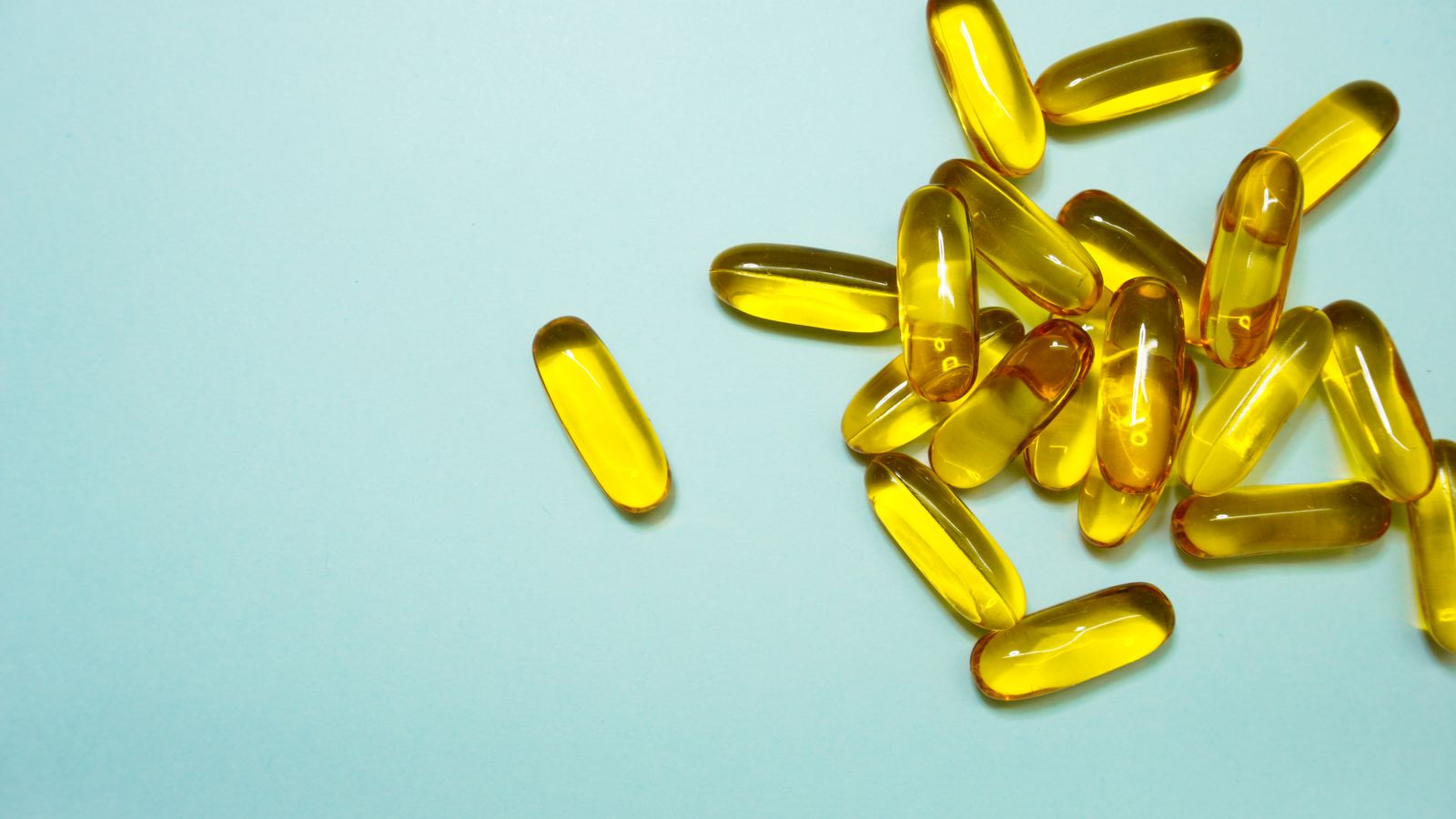
This is where most ambiguity lives. Fish oil capsules typically use one of three shell types:
- Bovine gelatin — halal if from halal-slaughtered cattle, not otherwise
- Marine gelatin (fish-derived) — generally considered halal
- Plant-based / vegan capsule — naturally halal
If the capsule shell source isn't disclosed, that's a question worth asking before buying.
Layer 3: Manufacturing equipment
Strict halal compliance requires that equipment not be shared with non-halal products. Large multi-line factories sometimes process both. Premium halal brands typically use dedicated halal facilities — and will say so.
Layer 4: The source fish
Fish are generally permissible in Islamic dietary law. The question is whether the source is clean, ethically harvested, and the processing didn't introduce non-halal contaminants. For most reputable brands this isn't an issue, but worth being aware of.
What to ask the brand
- What certification body issued your halal logo? When was it last renewed?
- What is the capsule shell made from?
- Is the manufacturing facility dedicated halal, or shared?
- What is the fish source species and origin?
A brand that answers all four cleanly is doing the work. One that dodges any of them is hoping you don't ask twice.
The pragmatic version
If you want the short version: look for JAKIM certification + plant-based or marine capsule shell + brand transparency on source. That combination handles 90% of the concern without needing to interrogate every supplier.
Halal certification isn't a marketing badge. It's a chain of decisions a brand made — or didn't. Which chain are you trusting your supplement to?
Sources
Educational summary of published research. Always consult a healthcare professional for personal advice.
Written by Mikael Chew, who has spent 23 years in health and wellness. Educational content — observations, not medical advice.
Keep reading

Curious where your own habits land?
Take the 2-minute assessment