5 min read
Algae oil vs fish oil: a guide for vegetarian Malaysians
By Mikael Chew · Omega-3 educator
Published 30 May 2026
Fish do not make omega-3 — they get it from algae, so algae-based DHA and EPA let vegetarian Malaysians skip the fish entirely, with naturally low heavy-metal risk. Algae oil has matched quality fish oil on DHA for over a decade, and newer strains now add EPA too, though it still runs roughly 30–60% more per gram. Choose algae for vegetarian or vegan diets, mercury concerns, or sustainability; fish oil still wins on budget and if you already eat oily fish — and either way, check DHA and EPA per serving and the Totox value.
If you're vegetarian and have been told you can't get real omega-3 without eating fish — that's no longer accurate. Algae-based DHA and EPA supplements exist, and they're getting better every year. But not all are worth buying. Here's how to tell.
Where omega-3 actually comes from
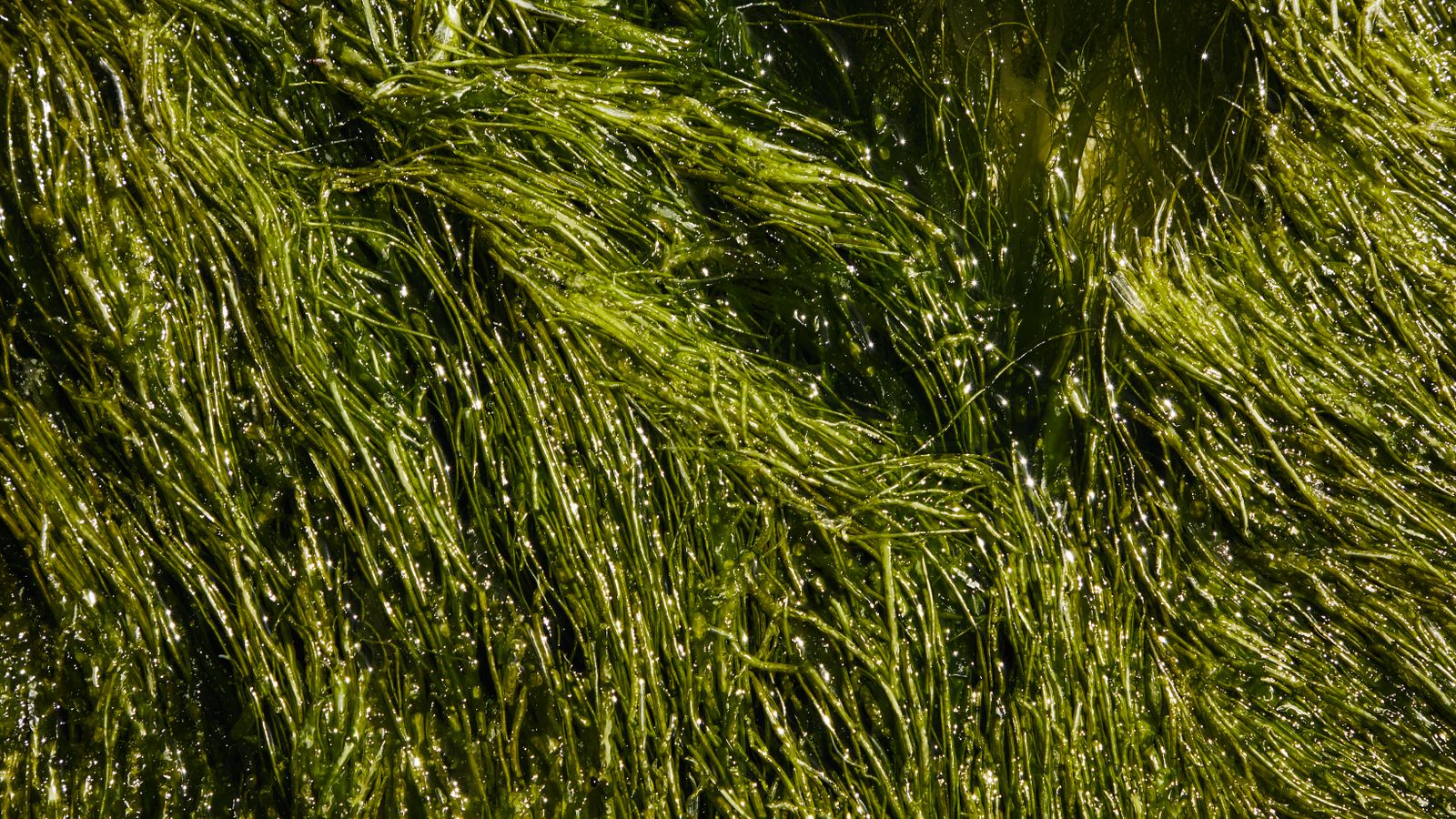
Fish don't make omega-3. They eat algae that does. The DHA and EPA in salmon and sardines is upstream from microalgae in the ocean. Algae oil supplements simply skip the fish step.
For vegetarian or vegan Malaysians, this is the cleanest source: omega-3 directly from the original producer, with no animal involvement, no fish farming concerns, naturally low heavy metal risk.
Where algae oil stands today
- DHA: Algae oil has been a strong source for over a decade. Match for match with quality fish oil.
- EPA: Historically, algae oil delivered mostly DHA with low EPA. Newer formulations include EPA-producing algae strains. Read the label.
- Dose per serving: Newer algae products match the 500-1000mg EPA+DHA range per serving
- Cost: Currently 30-60% more expensive per gram than fish oil. Closing the gap each year.
When algae oil makes sense
- Vegetarian or vegan diet
- Religious dietary considerations where fish source is uncertain
- Strong preference against fish-derived products
- Pregnancy with concern about mercury — algae oil naturally avoids that risk
- Sustainability concerns about overfishing
When fish oil still wins
- Budget-constrained (fish oil typically cheaper per gram of omega-3)
- You eat oily fish weekly anyway — food source is hard to beat
- You want both EPA and DHA in well-established proportions
What to check on an algae oil label
- DHA per serving: should be at least 200mg, ideally 400-500mg
- EPA per serving: variable — confirm what you're getting. Some algae products are DHA-only.
- Source algae strain: Schizochytrium and Crypthecodinium are the most common. Both are well-studied.
- Capsule shell: usually vegan-friendly cellulose. Good for halal too.
- Freshness / Totox: applies to algae oil same as fish oil. Don't skip this.
The honest comparison
For a vegetarian Malaysian who wants reliable omega-3 without compromising dietary principles, algae oil is no longer a "lesser substitute." It's a parallel option that's matured. The cost premium is real but shrinking, and the trade-offs are clearer than they were five years ago.
The question isn't fish oil vs algae oil. It's: which option gets EPA and DHA into your cells at a Totox you can verify, a dose that actually moves the number, at a price you can sustain? Both can answer that — for different people.
Sources
- Brenna JT (2002). Efficiency of conversion of alpha-linolenic acid to long chain n-3 fatty acids in man. Current Opinion in Clinical Nutrition and Metabolic Care.
- Burdge GC, Calder PC (2005). Conversion of alpha-linolenic acid to longer-chain polyunsaturated fatty acids in human adults. Reproduction Nutrition Development.
Educational summary of published research. Always consult a healthcare professional for personal advice.
Written by Mikael Chew, who has spent 23 years in health and wellness. Educational content — observations, not medical advice.
Keep reading

Curious where your own habits land?
Take the 2-minute assessment