5 min read
ALA vs EPA vs DHA: the three omega-3s, explained
By Mikael Chew · Omega-3 educator
Published 4 Jun 2026
There are three omega-3s worth knowing: ALA, EPA, and DHA. ALA is the plant form, found in flax, chia, and walnuts. EPA and DHA are the long-chain marine forms, found in oily fish and in algae. The body can convert ALA into EPA and DHA, but only at low rates — so marine sources are the more reliable way to raise EPA and DHA status.
Omega-3 is a family, not a single thing
People say “omega-3” like it is one nutrient. It isn't. It is a family of fats.
Three members matter for everyday nutrition: ALA, EPA, and DHA. They share a name. They do not behave the same way, and they do not come from the same places. Get the difference clear and the whole topic gets simpler.
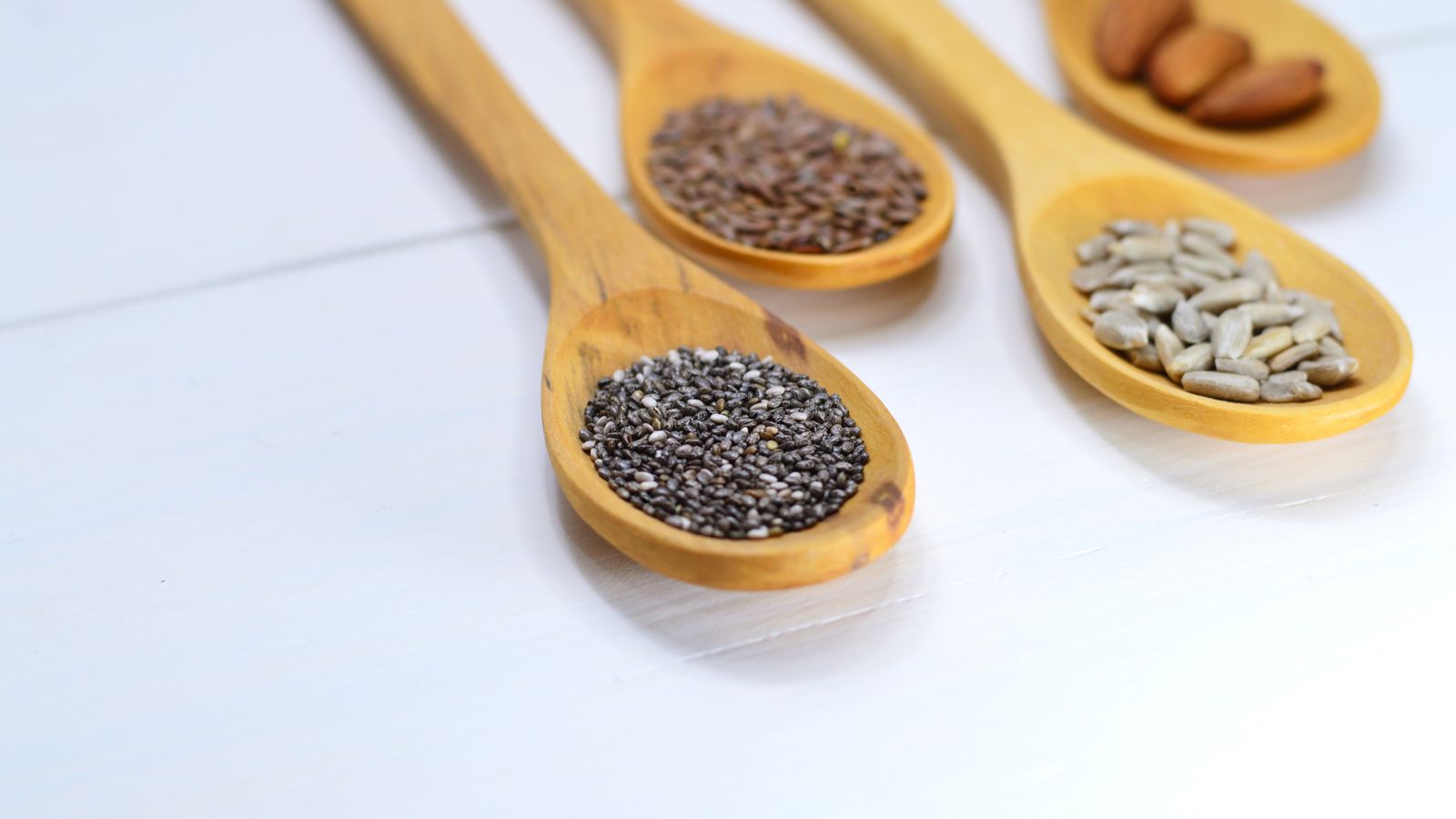
- ALA is the plant form: flax, chia, walnuts.
- EPA and DHA are the long-chain marine forms: oily fish, or algae.
- Same family. Different jobs. Different sources.
ALA: the plant form
ALA stands for alpha-linolenic acid. It is the omega-3 you get from plants: flaxseed, chia seeds, walnuts. It is an essential fat — the body cannot make it, so it has to come from food.
Here is the catch. To do some of the work the body expects from omega-3, ALA first has to be converted into the longer-chain forms, EPA and DHA. And that conversion is where the story gets interesting.
EPA and DHA: the marine forms
EPA and DHA are the long-chain omega-3s. You get them ready-made from oily fish, and from algae. These are the forms the body uses directly. DHA in particular is a structural building block.
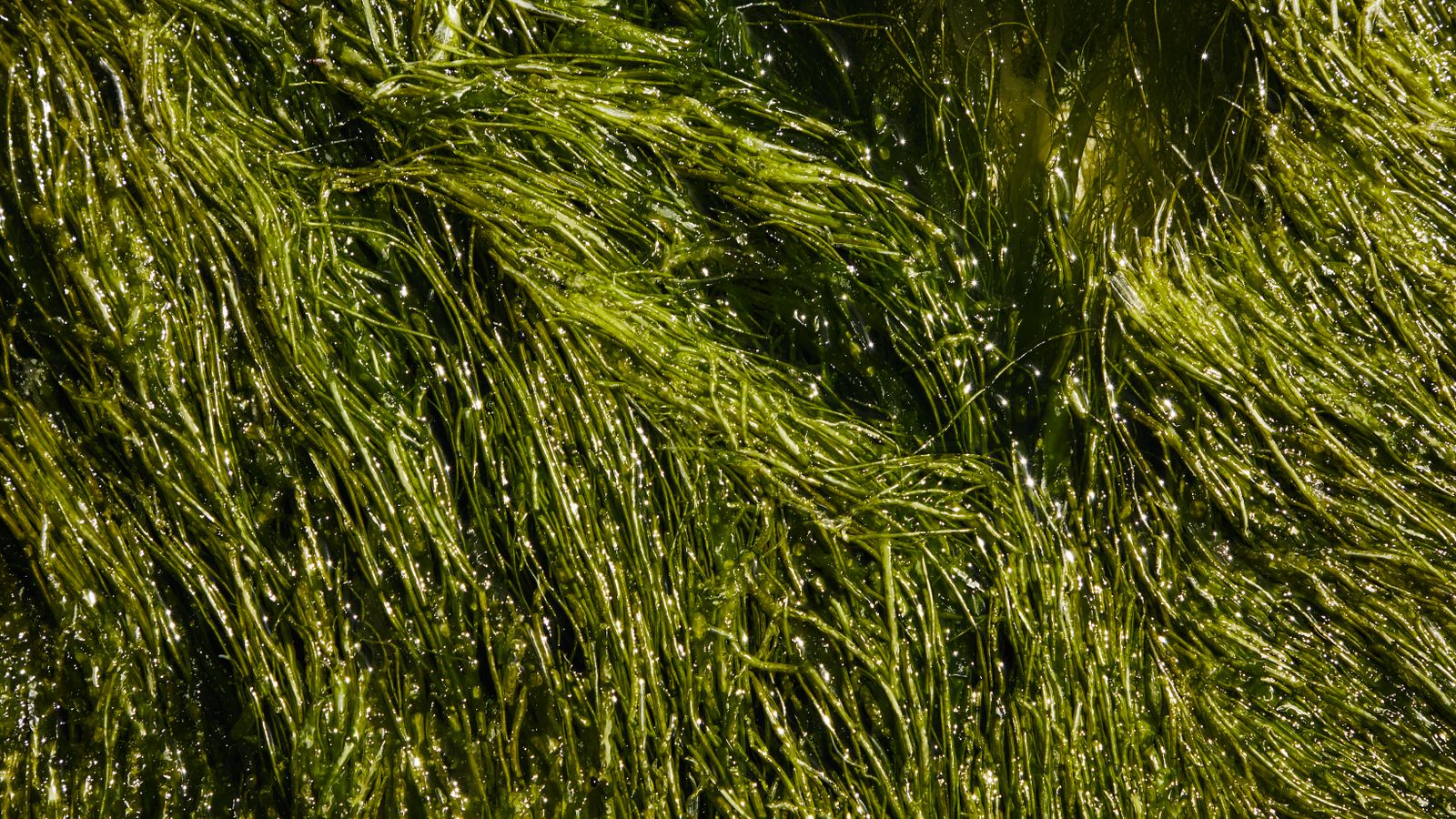
And here is a detail most people miss: the fish do not make these fats. They get them from algae. Algae is the original source. So an algae oil is not a second-best — it is going back to where these fats start.
| Omega-3 | Form / source | Body's use |
|---|---|---|
| ALA | plant (flax, chia, walnuts) | Essential fat from the diet; converted to EPA and DHA only at low rates |
| EPA | marine / algae | Long-chain form used directly; reliably raised through marine sources |
| DHA | marine / algae | Long-chain structural building block used directly; ALA conversion is below 5% |
Why conversion changes the math
This is the part that matters most. The body can turn ALA into EPA, and especially into DHA, but it does it at low rates. Whole-body conversion of ALA to DHA is below 5% in humans. Onward conversion to DHA is very low in adults, and a high intake of omega-6 fats pushes it lower still.
So eating more flax or chia rarely raises EPA and DHA status by much. The plant form supports the system, but it is a weak lever for the marine forms. If EPA and DHA are what you are after, marine sources — oily fish or algae oil — are the more reliable lever.
- ALA to DHA conversion is below 5% in humans.
- Onward conversion to DHA is very low in adults.
- High dietary omega-6 reduces conversion further.
What this means in practice
Do not treat the three omega-3s as interchangeable. Plant ALA is a good fat to have in the diet. But if the goal is EPA and DHA status, lean on the marine forms.
Vegetarians are not stuck. Algae oil gives the long-chain forms directly, from the original source, without fish.
- Want ALA? Flax, chia, walnuts.
- Want EPA and DHA? Oily fish, or algae oil.
- Fish-free and after the long-chain forms? Algae oil covers it.
Frequently asked questions
- Can I get enough EPA and DHA from flax or chia alone?
- Rarely. Flax and chia give ALA, the plant form. The body converts ALA to DHA at below 5% in humans, and onward conversion is very low in adults. Marine sources are more reliable for raising EPA and DHA status.
- Are ALA, EPA, and DHA the same thing?
- No. They are three members of the omega-3 family. ALA is the plant form; EPA and DHA are the long-chain marine forms. They come from different sources and the body uses them differently.
- I don't eat fish. How do I get EPA and DHA?
- Algae oil. It delivers EPA and DHA directly, without fish. Algae is the original source of these fats, which is where fish get them in the first place.
- Why is ALA conversion so low?
- The conversion of ALA to the long-chain forms is limited, and whole-body conversion to DHA sits below 5% in humans. A diet high in omega-6 fats reduces it further.
“The fractional conversion of ALA to DHA is low, generally well below 5%, and is further reduced by high intakes of linoleic acid.”
Sources
- Brenna JT (2002). Efficiency of conversion of alpha-linolenic acid to long chain n-3 fatty acids in man. Current Opinion in Clinical Nutrition and Metabolic Care.
- Burdge GC, Calder PC (2005). Conversion of alpha-linolenic acid to longer-chain polyunsaturated fatty acids in human adults. Reproduction Nutrition Development.
Educational summary of published research. Always consult a healthcare professional for personal advice.
Written by Mikael Chew, who has spent 23 years in health and wellness. Educational content — observations, not medical advice.
Keep reading


Curious where your own habits land?
Take the 2-minute assessment