
6 min read
Pregnancy and fish oil in Malaysia: what to consider
By Mikael Chew · Omega-3 educator
Published 30 May 2026
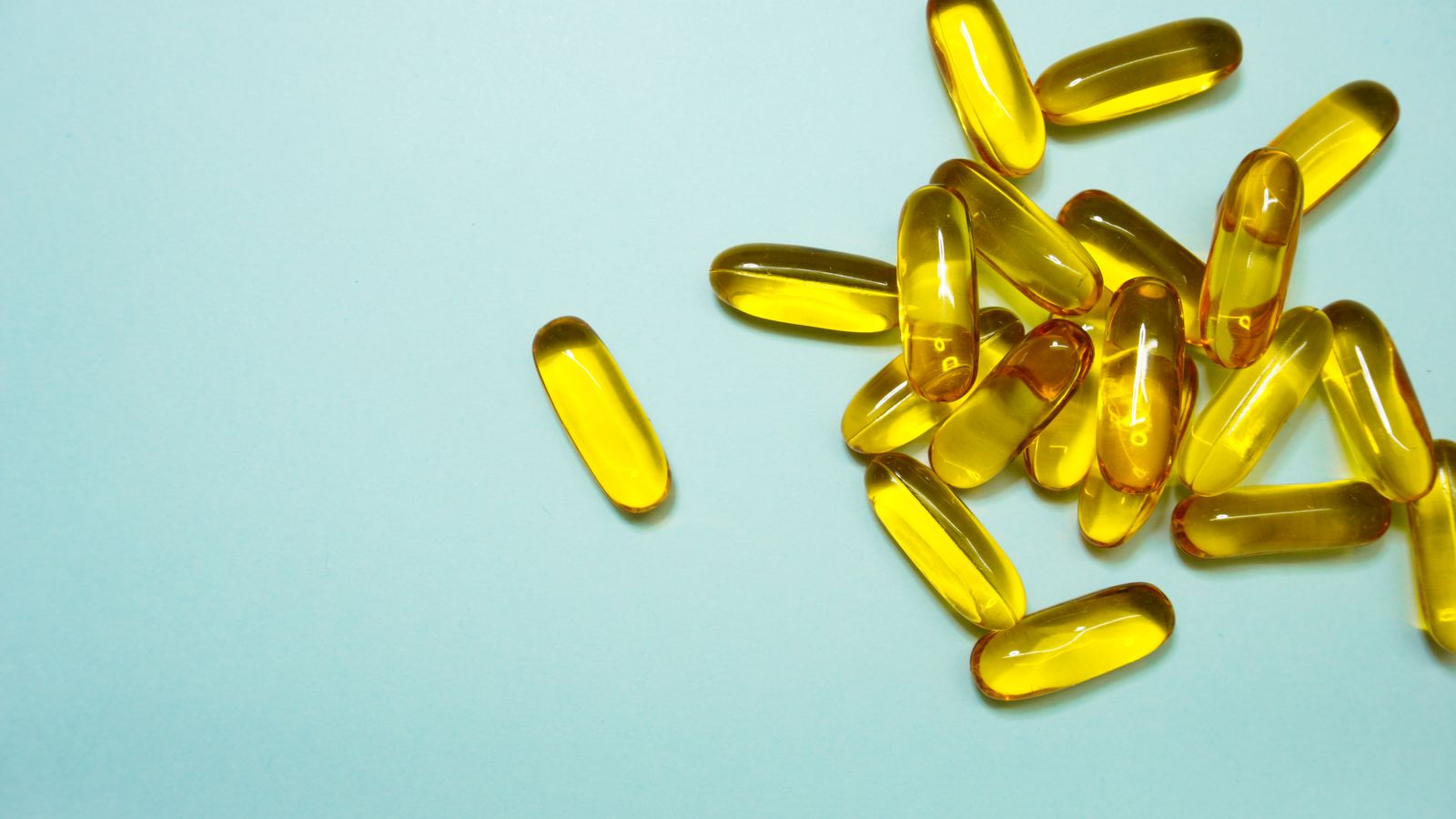
In pregnancy, speak to your obstetrician first — this is general education, not personalised advice. WHO and EFSA both recognise DHA’s role in normal foetal brain and eye development, with EFSA suggesting an extra ~200 mg DHA daily during pregnancy and breastfeeding, ideally from 2–3 weekly servings of low-mercury oily fish (sardines, ikan bilis, kembung, salmon) while limiting large high-mercury species. If you supplement, verify the source, at least 200–300 mg DHA per serving, batch mercury testing, low Totox, and no added vitamin A.
Pregnant women in Malaysia get three different answers about fish oil depending on who they ask. Doctors are cautious. Supplement brands are aggressive. Aunties have opinions. Here's what the actual international guidelines say.
Always speak to your obstetrician first
This article is general education, not personalised medical advice. Pregnancy is a sensitive context — any decision about supplements should be made with your obstetrician who knows your individual situation.
What WHO and EFSA actually say
The World Health Organization and the European Food Safety Authority both recognise the role of DHA in normal foetal brain and eye development. EFSA's approved claim:
Maternal intake of DHA contributes to the normal development of the brain and eye of the foetus and breastfed infant.
EFSA suggests an additional 200mg DHA daily during pregnancy and breastfeeding, on top of normal adult recommendations.
Food sources first
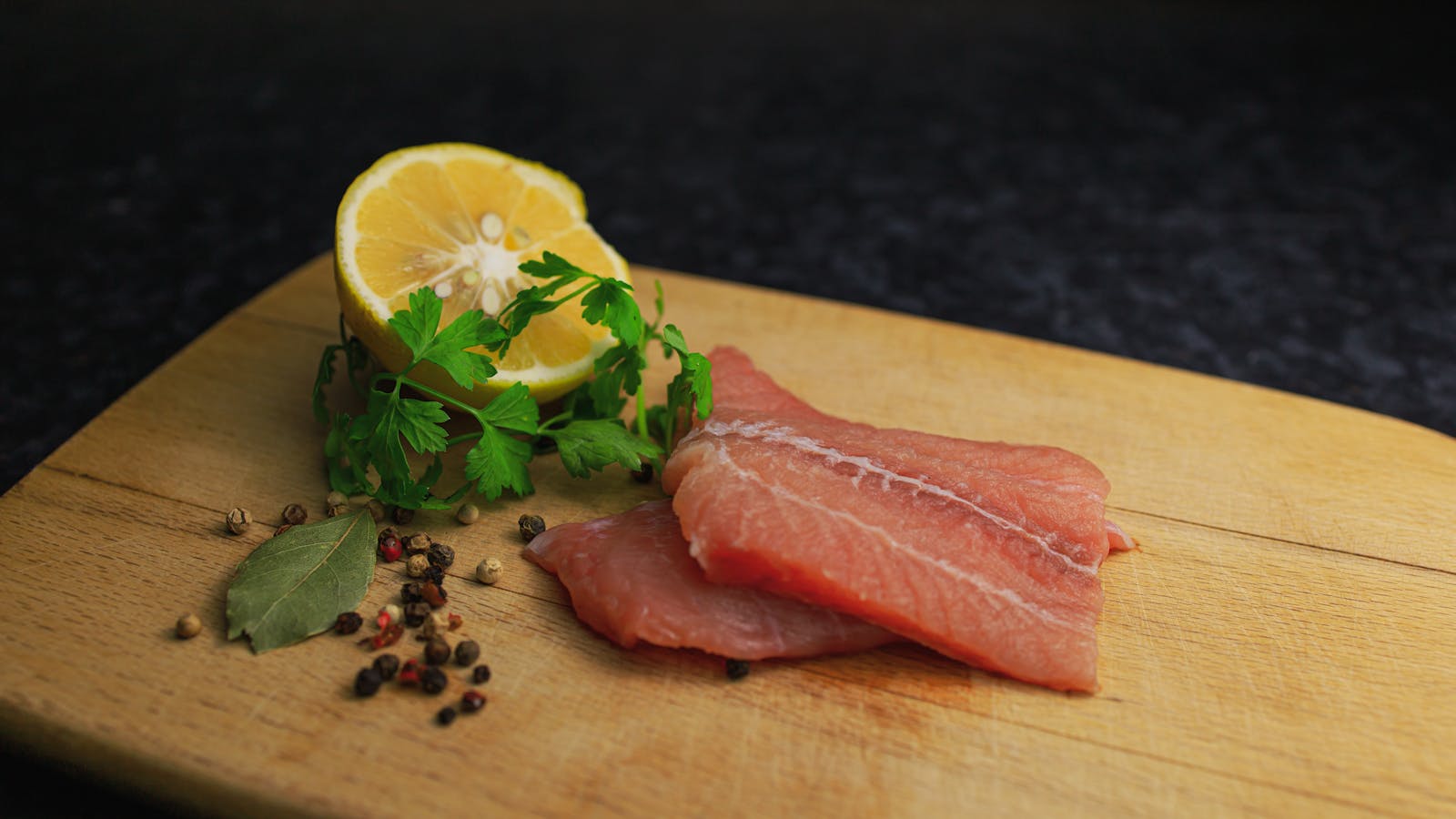
Most international guidelines suggest pregnant women aim for 2-3 servings of low-mercury oily fish weekly. In a Malaysian context:
- Recommended: sardines, anchovies (ikan bilis), kembung, salmon, trout — small to medium fish with good DHA, low mercury
- Limit: tuna (especially large species), king mackerel, swordfish, shark — higher mercury risk
- Avoid: raw fish, undercooked shellfish
When supplementation may make sense
- You don't eat fish at all
- You eat fish but rarely the oily kinds
- Your obstetrician specifically recommends it
- Multiple pregnancy (twins, triplets) — DHA demand is higher
If you do supplement, what to verify
- Source: small cold-water fish or algae. Algae oil is increasingly popular for pregnancy — vegetarian-friendly and naturally low in heavy metals.
- DHA per serving: at least 200-300mg DHA.
- Mercury-tested: brand should publish heavy metal testing per batch.
- Freshness (Totox): lower is better — pregnancy is not the time for oxidised oil.
- No vitamin A added: high doses of vitamin A in pregnancy is observed to associate with risk. Some fish liver oils contain vitamin A — read carefully.
The honest summary
Pregnancy isn't a place for guesswork. The general direction observational research supports is more DHA from food, supplementation if dietary intake is low, mercury caution, and obstetrician involvement. Brand marketing about "smart baby" claims isn't approved language — be sceptical.
The most important supplement for pregnancy is the conversation with the person who's actually looking after your pregnancy. The label on the bottle is far down the list.
Sources
- European Commission / EFSA (2012). EU Register of nutrition and health claims (EPA/DHA authorised claims). European Commission.
- Brenna JT (2002). Efficiency of conversion of alpha-linolenic acid to long chain n-3 fatty acids in man. Current Opinion in Clinical Nutrition and Metabolic Care.
Educational summary of published research. Always consult a healthcare professional for personal advice.
Written by Mikael Chew, who has spent 23 years in health and wellness. Educational content — observations, not medical advice.
Keep reading

Curious where your own habits land?
Take the 2-minute assessment