
6 min read
Omega-3 after 50: what Malaysian aunties should actually know
By Mikael Chew · Omega-3 educator
Published 30 May 2026
After menopause, research observes rising inflammatory markers, shifting bone-density and cardiovascular markers, and commonly reported joint stiffness — layered, in Malaysia, on decades of seed-oil cooking and low oily-fish intake. The highest-impact moves, in order: check your omega ratio rather than guessing, switch your home cooking oil away from palm, sunflower, or corn, eat oily fish (sardines, kembung, salmon) twice a week, and if you supplement, verify the EPA+DHA dose and Totox. More of the same supplement is not the lever — fresher and better-dosed is.
Most omega-3 advice on the internet is written for Americans in their thirties. If you're a Malaysian woman over fifty, your situation is genuinely different — and worth understanding before you spend another ringgit on supplements.
What shifts after menopause
Research observes a few patterns specific to post-menopausal women:
- Inflammatory markers tend to rise as hormone levels change
- Bone density patterns shift, and observational research links omega-3 intake to some of those markers
- Joint stiffness and morning soreness are commonly reported
- Cardiovascular risk markers (cholesterol panel, triglycerides) often change in your late forties to fifties
None of this is unique to Malaysia, but the local lifestyle layered on top makes the picture sharper.
The Malaysian layer
By 50, most Malaysian Chinese women have spent decades cooking with palm or sunflower oil, eating out 3-4 times a week, and consuming far less wild oily fish than their mothers did. Three generations of dietary shift compresses into one body.
You can't undo the past. You can shift the next decade.
What I'd suggest checking, in order
- Your omega ratio estimate. Take the free 2-minute check first. Don't guess.
- Your cooking oil at home. If you mostly use palm, sunflower or corn — that's the single biggest daily lever.
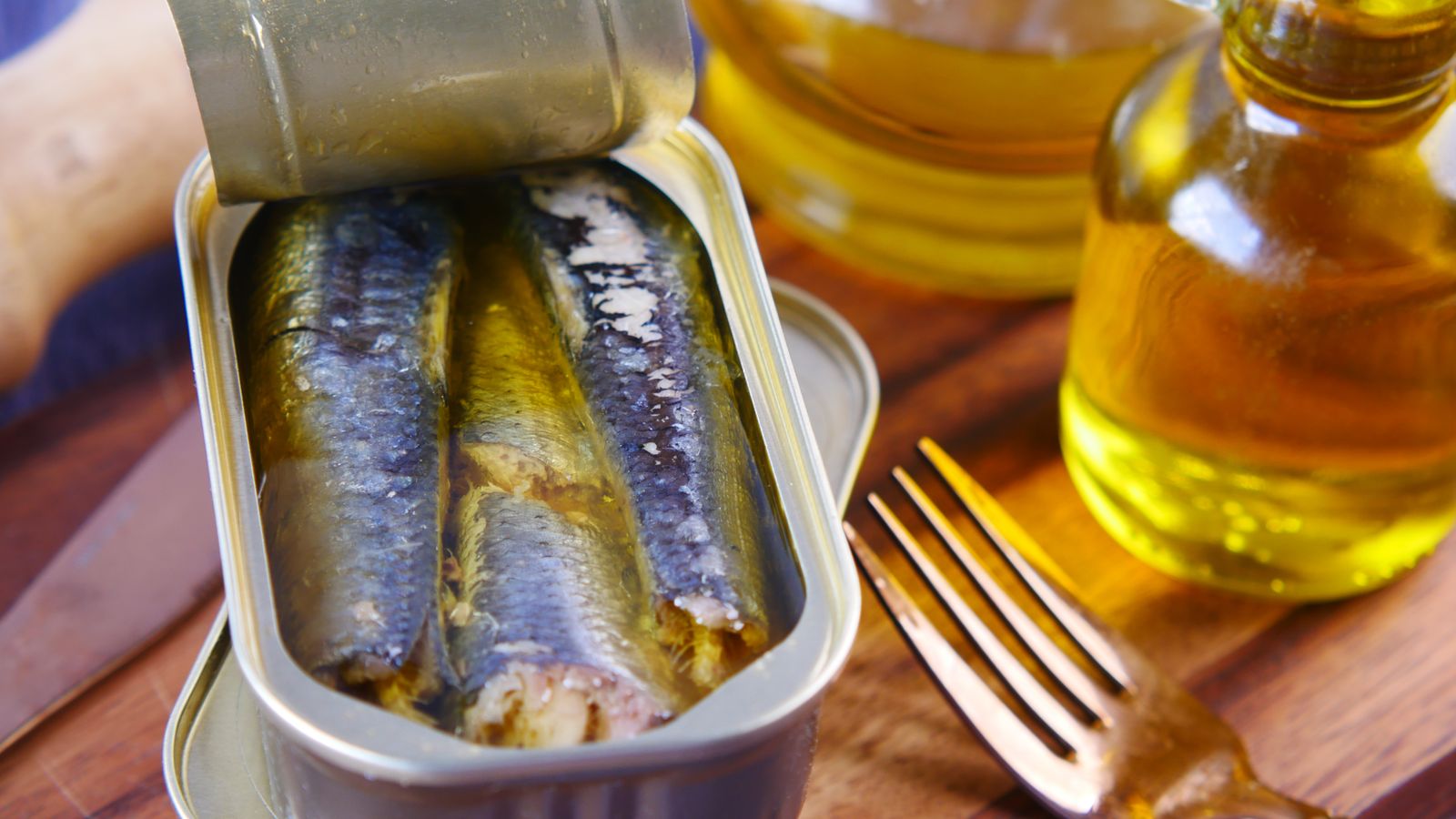
- Oily fish frequency. Sardines, kembung, salmon — twice a week shifts the math meaningfully.
- If you supplement, check the EPA+DHA dosage and Totox. If your bottle hides those numbers, that's its own answer.
What I would not do
I wouldn't double the dose of whatever I'm currently taking. More isn't the answer — better is. People commonly report no change after raising dose, then real change after switching to a fresher, higher-EPA+DHA-per-serving option.
Your fifties aren't a write-off. They're the decade where consistency compounds fastest — for better or worse. Which direction are you compounding?
Sources
- Harris WS, von Schacky C (2004). The Omega-3 Index: a new risk factor for death from coronary heart disease?. Preventive Medicine.
- Simopoulos AP (2002). The importance of the ratio of omega-6/omega-3 essential fatty acids. Biomedicine & Pharmacotherapy.
Educational summary of published research. Always consult a healthcare professional for personal advice.
Written by Mikael Chew, who has spent 23 years in health and wellness. Educational content — observations, not medical advice.
Keep reading
Curious where your own habits land?
Take the 2-minute assessment