4 min read
Fish oil side effects: what’s normal, what’s not, and when to stop
By Mikael Chew · Omega-3 educator
Published 16 Jun 2026
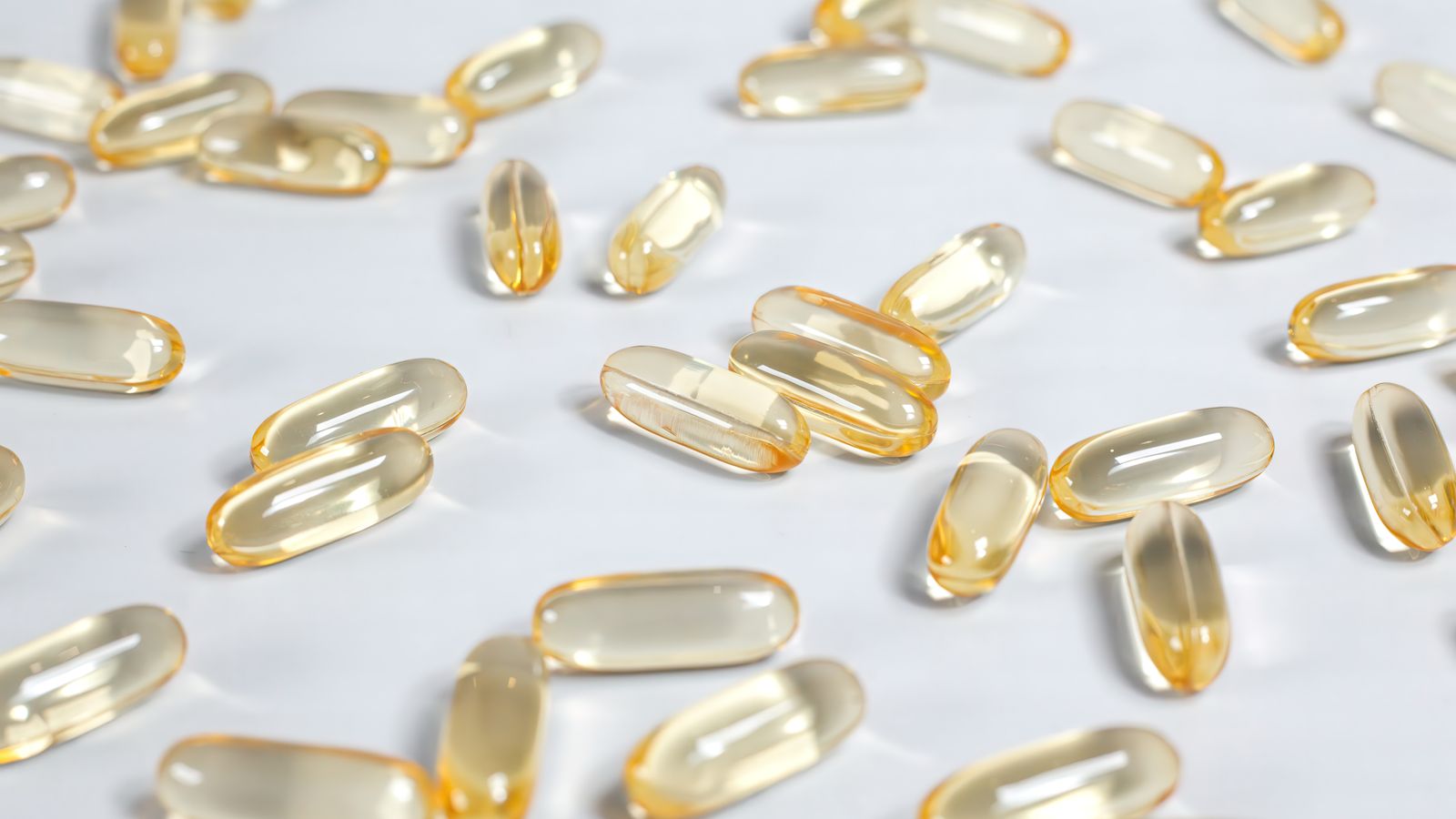
Most fish-oil complaints — fishy burps, mild reflux, a slightly upset stomach — are harmless and usually fixed by taking it with your largest meal, splitting the dose, and refrigerating it. The one to act on is a sharp, rancid, paint-like taste: that signals oxidised oil, so stop that bottle. See a doctor for unusual bruising or bleeding (especially on a blood thinner), an allergic-feeling reaction, or side effects that do not settle.
Started a fish oil and noticed something? Most of the common complaints are harmless and fixable. A few are worth acting on. Here is how to tell them apart.
Usually harmless (and fixable)
- Fishy burps or aftertaste — very common, especially on an empty stomach.
- Mild reflux — often eases when you take it with a meal.
- A slightly upset stomach in the first week.
The fixes: take it with your largest meal, split the dose, keep it in the fridge, and choose a fresher oil.
The big clue: is the oil rancid?
A strong, sharp, paint-like or aggressively fishy taste is not "just fish oil" — it is a sign the oil has oxidised. Research observes that oxidised oil behaves differently in the body, so this is the one side effect worth acting on: stop that bottle. Freshness is measured by a value called TOTOX.
When to talk to a doctor
Some situations deserve a professional, not a forum:
- Unusual bruising or bleeding — especially if you take a blood thinner — stop and call your doctor.
- A reaction that feels allergic.
- Side effects that do not settle after adjusting how you take it.
This is general education; for anything about your own health or medication, your doctor or pharmacist is the right call.
Most "side effects" are really a storage or freshness problem in disguise. Fix those first — and trust the sharp, rancid taste as a signal, not a nuisance.
Sources
- Albert BB, et al. (2015). Fish oil supplements in New Zealand are highly oxidised and do not meet label content of n-3 PUFA. Scientific Reports.
- Global Organization for EPA and DHA Omega-3s (GOED) (2022). GOED Voluntary Monograph (oxidation limits: PV ≤5, AV ≤20, TOTOX ≤26). GOED.
Educational summary of published research. Always consult a healthcare professional for personal advice.
Written by Mikael Chew, who has spent 23 years in health and wellness. Educational content — observations, not medical advice.
Keep reading
Curious where your own habits land?
Take the 2-minute assessment