4 min read
Why your fish oil supplement might be doing nothing
By Mikael Chew · Omega-3 educator
Published 24 Apr 2026
Most pharmacy fish oil underperforms for three reasons: the dose is too low (200–400 mg EPA+DHA per capsule, when meaningful ratio shift is observed at 1500–3000 mg/day), the oil may already be oxidised after months on a warm shelf, and a daily capsule cannot offset the omega-6 still arriving from fried food. What actually moves the number is a higher, verified-fresh dose taken alongside reducing omega-6 — and then re-testing to confirm it changed.
Most people pop a fish oil capsule daily for years, and their omega ratio doesn't budge. Here's why.
Reason 1: The dose is too low
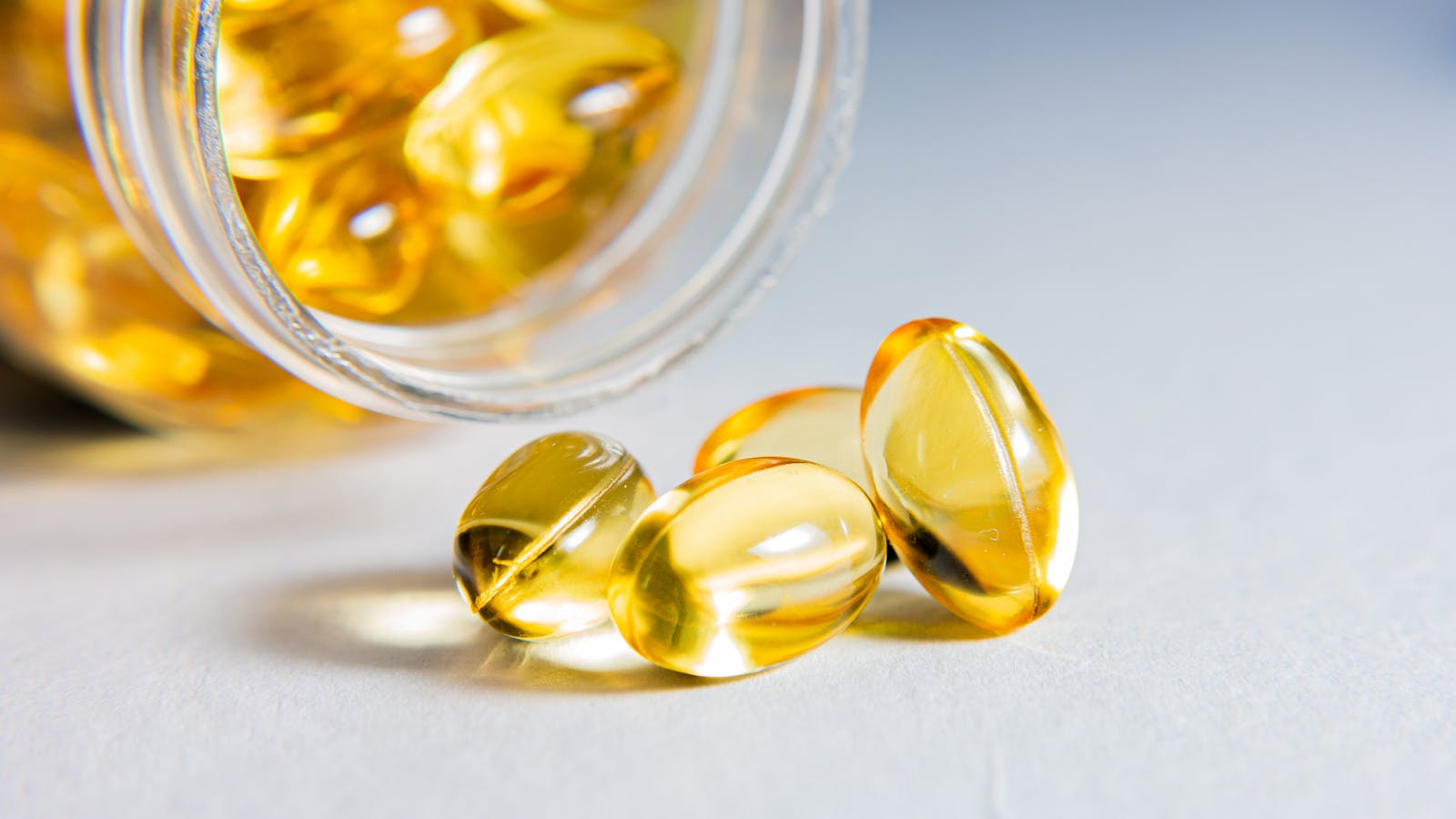
Most pharmacy fish oil contains 200–400 mg of EPA + DHA per capsule. Studies that show meaningful ratio shift use 1500–3000 mg/day. To match that, you'd need 5–8 capsules daily of typical brands.
Most people take one. Then they conclude "fish oil doesn't work."
Reason 2: The oil might already be oxidised
Omega-3 oxidises fast. Fish oil sitting on a pharmacy shelf at room temperature for months is often partially rancid by the time you swallow it. Oxidised fats deliver different biological behaviour than fresh ones — and in some studies, the opposite of what you wanted.
You usually can't tell. Capsules hide the smell. The cheap test: bite one. If it tastes truly fishy or bitter, it's gone off.
Reason 3: You're still loading omega-6 faster than the supplement can offset
Even a perfect supplement can't keep up with 30 g of seed oil from a fried meal. The denominator (omega-6) keeps rising. The supplement is rowing against the current.
What actually moves the number
- Higher dose — 1500–3000 mg EPA + DHA per day, ideally adjusted to body weight
- Quality with a TOTOX or oxidation report — reputable brands publish this
- Reduce omega-6 intake at the same time — this is the bigger lever
- Measure — so you actually know whether it's working
If you've been taking fish oil for years and never tested whether it's doing anything — what would change if you actually checked?
Sources
- Albert BB, et al. (2015). Fish oil supplements in New Zealand are highly oxidised and do not meet label content of n-3 PUFA. Scientific Reports.
- Harris WS, von Schacky C (2004). The Omega-3 Index: a new risk factor for death from coronary heart disease?. Preventive Medicine.
- Global Organization for EPA and DHA Omega-3s (GOED) (2022). GOED Voluntary Monograph (oxidation limits: PV ≤5, AV ≤20, TOTOX ≤26). GOED.
Educational summary of published research. Always consult a healthcare professional for personal advice.
Written by Mikael Chew, who has spent 23 years in health and wellness. Educational content — observations, not medical advice.
Keep reading
Curious where your own habits land?
Take the 2-minute assessment